English
 Arabic
 French
 Spanish
 Portuguese
 Deutsch
 Turkish
 Dutch
Dutch
 Italiano
 Russian
 Romaian
 Portuguese (Brazil)
 Greek
Greek
 Privacy Policy
Top 10 High-Paying Freelance Skills to Learn in 2025
Freelancing & Skills |
2025-10-26 20:04:16
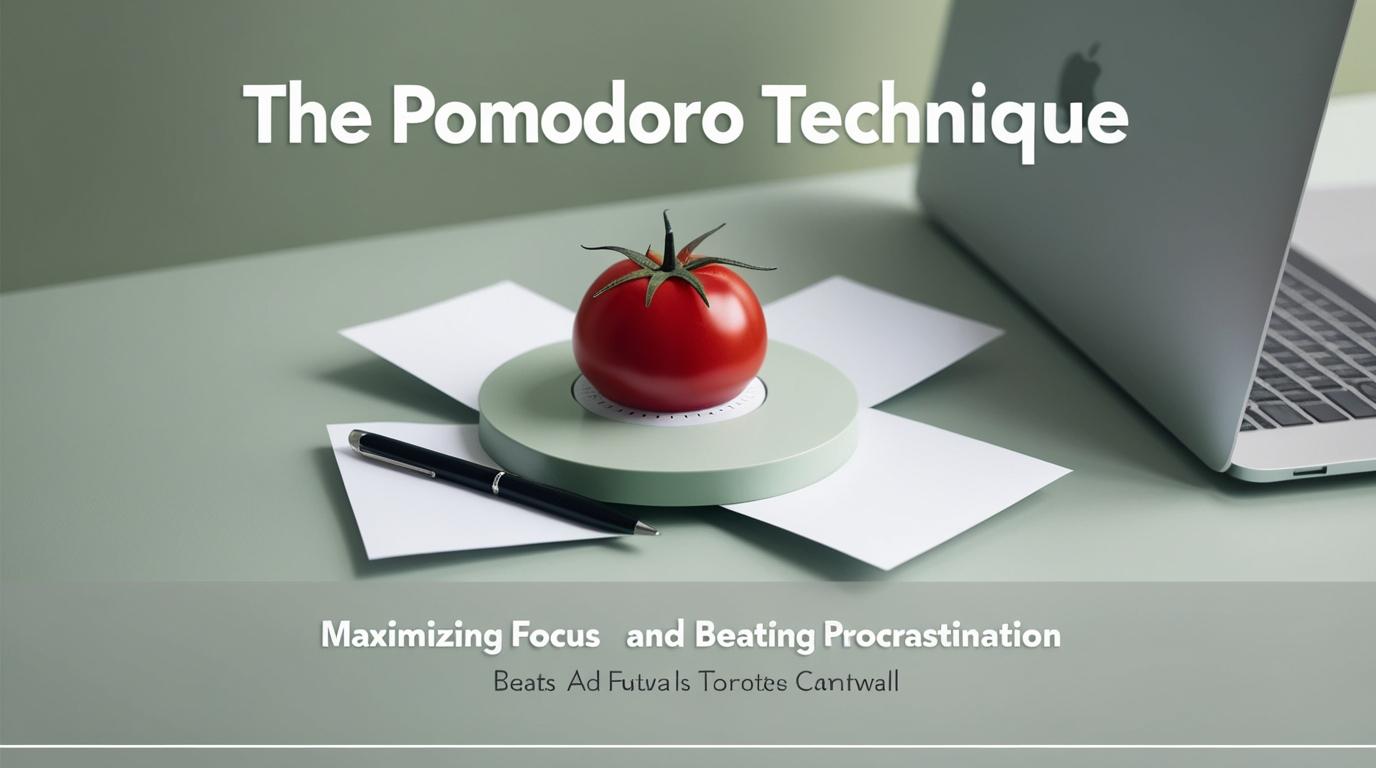
In an age of constant notifications, social media distractions, and multitasking, staying focused can feel almost impossible. Whether you’re a student, freelancer, or professional, maintaining deep concentration is one of the biggest challenges of modern life.
Fortunately, there’s a simple yet powerful time-management method that can help you reclaim your attention and boost productivity: the Pomodoro Technique.
Invented by Francesco Cirillo in the late 1980s, this method uses short, timed work intervals (called Pomodoros) to keep your mind sharp and focused. In this guide, you’ll learn how the Pomodoro Technique works, its psychological benefits, and how to apply it effectively to beat procrastination and maximize focus in 2025.

The Pomodoro Technique is a time management system that breaks work into focused intervals of 25 minutes, followed by short breaks.
Each interval is called a “Pomodoro” (Italian for tomato), named after the tomato-shaped kitchen timer Cirillo used while studying as a student.
Here’s the basic structure:
Choose a single task to focus on.
Set a timer for 25 minutes — that’s one Pomodoro.
Work only on that task until the timer rings.
Take a 5-minute break.
After completing four Pomodoros, take a longer 15–30 minute break.
This simple rhythm of focus + rest helps your brain stay energized and resistant to burnout.
The science behind the Pomodoro Technique lies in psychological focus and reward systems. Here’s why it’s so effective:
1. It Fights Procrastination:
The 25-minute limit makes starting less intimidating. You only need to commit to a short burst of focus, not hours of effort.
2. It Builds Momentum:
Once you begin, your brain gets into “flow mode.” Each Pomodoro completed gives you a sense of accomplishment and motivation to continue.
3. It Improves Mental Stamina:
The regular breaks prevent cognitive fatigue, allowing your concentration to reset and remain sharp throughout the day.
4. It Increases Accountability:
By tracking how many Pomodoros you finish, you create visible progress and measurable goals.
Implementing this technique is incredibly easy — all you need is a timer and discipline. Follow these steps to get started:
Select one specific task — not multiple. This could be writing an article, studying, coding, or cleaning your workspace.
Use a physical timer, your smartphone, or one of the many Pomodoro apps available online (like Focus Booster, Toggl Track, or Forest).
During the 25 minutes, eliminate all interruptions — silence notifications, close unrelated tabs, and focus purely on the task.
Stand up, stretch, drink water, or walk around. Avoid screens — give your brain a true reset.
After four Pomodoros, take a longer 15–30-minute break before resuming.
There are dozens of tools designed to make your Pomodoro sessions smoother and more motivating. Some of the best in 2025 include:
Focus Booster – Tracks your Pomodoros with detailed analytics.
Toggl Track – Combines time tracking and productivity insights.
Forest App – Grow a virtual tree for every focused session (lose focus and your tree withers!).
Pomofocus.io – A clean, web-based Pomodoro timer with custom sound alerts.
If you’re new to the Pomodoro Technique, visual learning can help you understand how it works step-by-step.
Here are some excellent YouTube videos to get you started:
These videos demonstrate real examples of the Pomodoro Technique in action — from studying to office work — showing just how powerful short bursts of focus can be.
Set Clear Daily Goals – Write down 4–8 Pomodoros per day for key priorities.
Batch Similar Tasks – Group emails, calls, or research sessions into single Pomodoros.
Use Background Sounds – Try focus music, white noise, or nature sounds to stay calm and concentrated.
Avoid Multitasking – Each Pomodoro should be dedicated to only one type of task.
Track Your Progress – Use a notebook or app to count completed Pomodoros — visual progress boosts motivation.
Even though the Pomodoro Technique is simple, many people make these errors:
Overworking during breaks – Breaks are for rest, not more tasks.
Switching tasks mid-Pomodoro – Stick to one focus point.
Skipping long breaks – Fatigue kills consistency.
Ignoring natural rhythms – Some people focus better in 40-minute intervals; feel free to adjust slightly.
The Pomodoro Technique does more than just manage time — it reshapes your relationship with productivity. Studies show it improves:
Attention span and memory retention
Work satisfaction and self-discipline
Reduced anxiety and stress from large tasks
Increased creativity and motivation
By breaking intimidating projects into smaller, achievable steps, the Pomodoro Technique rewires your brain to focus on progress instead of perfection.
In 2025, productivity is no longer about working longer — it’s about working smarter.
The Pomodoro Technique offers a simple, evidence-based way to fight procrastination, stay consistent, and enjoy your work.
Whether you’re writing a book, building a business, or studying for exams, these focused intervals can transform your results — one Pomodoro at a time.
So grab your timer, start your first 25 minutes, and see how powerful simplicity can be.